The Real Reason First-Time Night Runners Quit After One Try
A first night run at a totally normal daytime pace often feels unexpectedly hard, and most people conclude night running just isn’t for them. The real issue is usually pacing by feel in reduced visibility, not actual fitness.

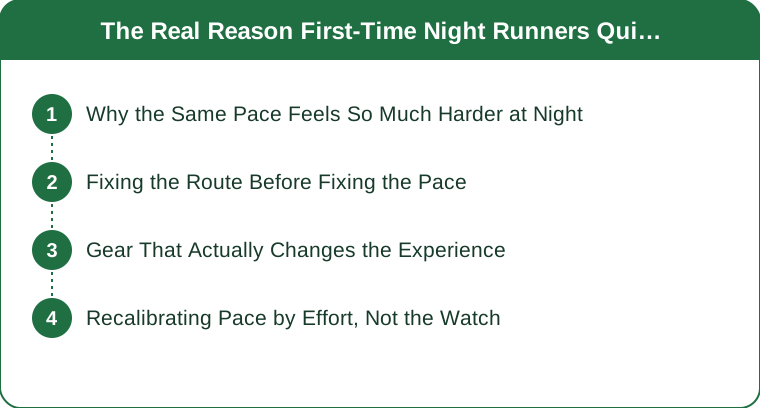
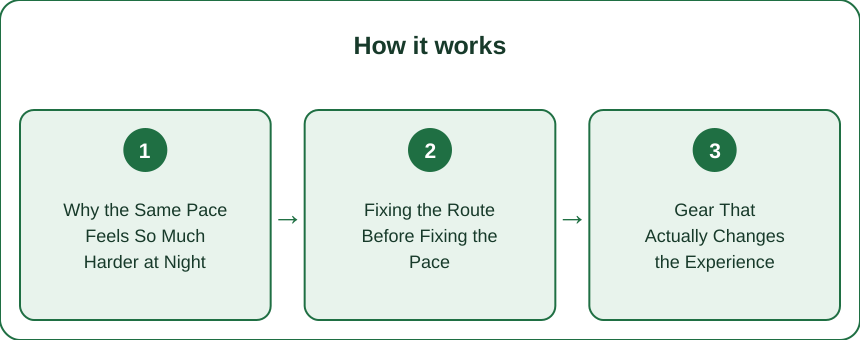
Why the Same Pace Feels So Much Harder at Night
The mechanism: reduced visibility removing the usual visual cues used to judge pace and upcoming terrain changes, which makes the body subconsciously tense up and overcompensate, burning more effort for what should be an identical pace.
Fixing the Route Before Fixing the Pace
The route fix: choosing a familiar, well-lit route for the first several night runs specifically, since an unfamiliar route at night compounds the visibility problem with a navigation problem at the same time.

Gear That Actually Changes the Experience
The gear adjustments: a proper headlamp aimed slightly downward rather than straight ahead, which restores enough ground visibility to stop the subconscious tensing up, and reflective gear that’s as much about being seen by others as seeing the path.
Recalibrating Pace by Effort, Not the Watch
The pacing fix: running the first few night runs by perceived effort rather than trying to match a daytime pace number, since a slower number on the same effort level at night is normal and expected, not a sign of lost fitness, and the frame (night running feels harder mainly because reduced visibility removes normal pacing cues, not because of an actual fitness difference — a familiar lit route, a proper headlamp, and pacing by effort instead of pace number fix most of it.)
A first night run at what should be an easy, familiar pace often feels unexpectedly hard, which leads a lot of people to write off night running entirely after one try. The real cause is usually reduced visibility removing the normal visual cues used to judge pace and upcoming terrain, which makes the body subconsciously tense up and burn more effort for the same distance. Sticking to a familiar, well-lit route for the first several night runs avoids stacking a navigation problem on top of a visibility problem, and a proper headlamp aimed slightly downward restores enough ground visibility to stop that subconscious tensing. The most useful mental shift is pacing by perceived effort rather than a daytime pace number for those first few runs, since running slightly slower at the same effort level at night is completely normal and not a sign that fitness has slipped.
Keep Reading
This article is for general informational and styling purposes only. Fit, sizing, and product availability may vary.