Night Running Safety: What Actually Matters Beyond Just 'Wear Something Bright'
Quick Answer: Genuine night running safety depends on motion-visible reflective gear (placed at moving joints like ankles and wrists, not just the torso), a proper headlamp or chest light for seeing terrain (not just being seen), running facing traffic on roads without sidewalks, and route familiarity — reflective gear alone addresses only part of what actually keeps a night runner safe.
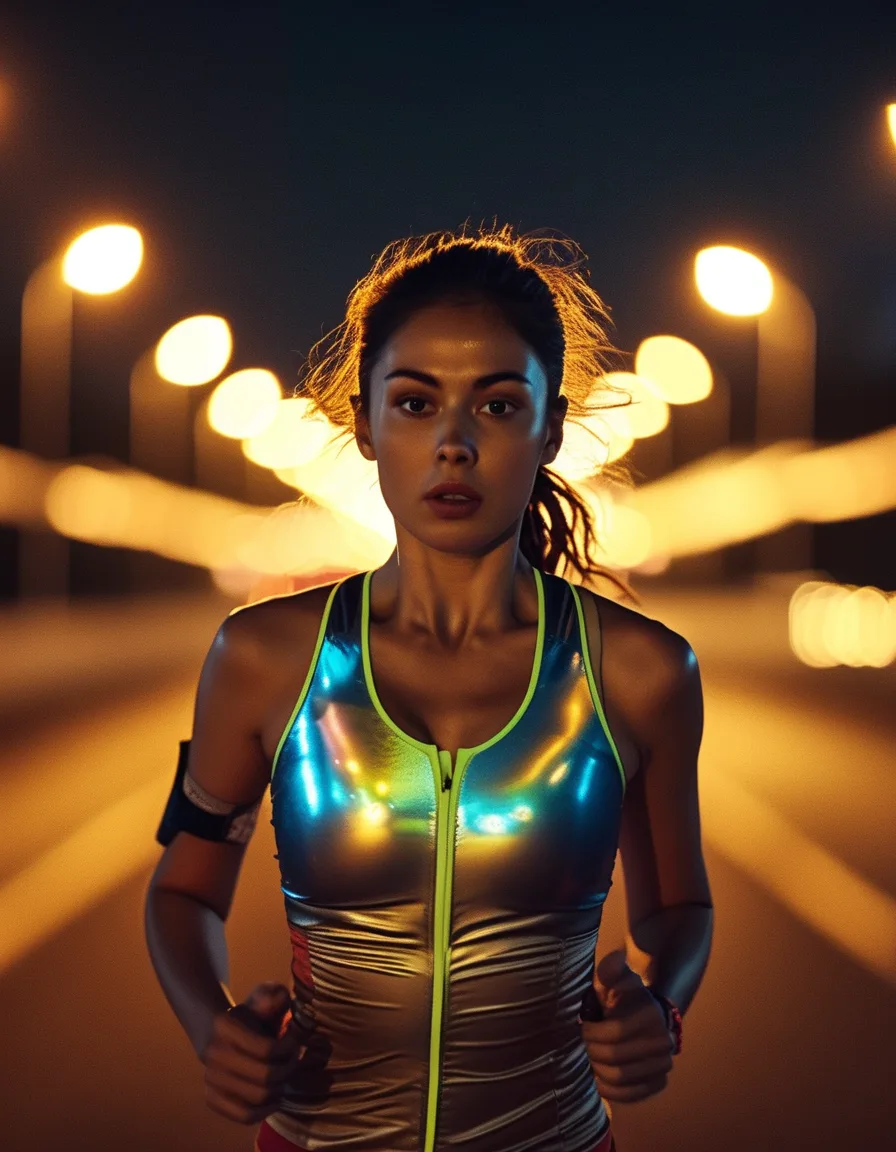
A reflective vest helps, but drivers actually notice movement more than a static reflective patch — where the reflective gear goes matters as much as whether you’re wearing it at all.

Why does reflective gear placement matter more than most people realize?
Motion catches a driver’s eye far more effectively than a static reflective surface. Reflective gear at the ankles and wrists — points that are constantly moving during a run — creates a distinctive, recognizable moving pattern that’s far more noticeable from a distance than a reflective vest on a relatively still torso.
Is a headlamp actually necessary if the route is well-lit by streetlights?
Yes, for seeing terrain, not just being seen — streetlights don’t reveal uneven pavement, curbs, or debris well enough to prevent trip hazards. A proper running headlamp or chest light illuminates the ground directly in your path in a way ambient streetlight often doesn’t.
Why does facing traffic matter specifically for road running at night?
Running facing oncoming traffic (versus with traffic) on roads without sidewalks gives both the runner and drivers more reaction time — the runner can see and react to an approaching vehicle, and is generally more visible to a driver’s direct line of sight than when running with their back to traffic.
Myth vs Fact: Night Running Safety
Myth: Any reflective clothing item provides essentially the same safety benefit. Fact: Placement at moving joints (ankles, wrists) provides meaningfully better visibility than reflective elements on stationary parts of the body.
Myth: A bright phone flashlight works fine instead of a dedicated headlamp. Fact: A phone flashlight lacks the hands-free stability and proper beam angle a running headlamp provides for consistently seeing terrain while moving.
Myth: Well-lit urban routes eliminate the need for extra visibility gear. Fact: Streetlights help overall visibility but don’t replace motion-visible reflective gear for how a driver actually spots a runner from a distance.
FAQ: Night Running Safety, Answered
What’s the minimum gear setup for genuinely safer night running?
Reflective ankle and wrist bands plus a basic headlamp cover the two most important gaps — visibility to others and seeing the terrain yourself.
Is it safer to run with a partner or group at night?
Yes, generally — beyond the safety-in-numbers benefit, a group is also more visible and noticeable to drivers than a solo runner.
How do I choose a safe route for night running in an unfamiliar area?
Stick to well-traveled, well-lit routes you’ve run in daylight first, since route familiarity reduces both trip hazards and getting-lost risk after dark.
TL;DR:
- Reflective gear at moving joints (ankles, wrists) is far more noticeable than static torso placement
- A proper headlamp reveals terrain hazards streetlights alone don’t show
- Facing traffic on roads without sidewalks gives both runner and driver more reaction time
- Route familiarity, built during daylight runs first, reduces real risk after dark
Being seen and seeing the ground in front of you are two separate problems — solving only one leaves a real safety gap.
Keep Reading
This article is for general informational and styling purposes only. Fit, sizing, and product availability may vary.